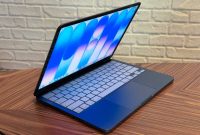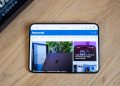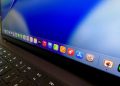

October 27, 2016, permanently altered the laptop market by introducing the first MacBook Pro equipped with the Touch Bar. This hardware change sparked intense reactions among loyal Mac users and set a new trajectory for portable computing hardware. On the surface, the Touch Bar aimed to deliver dynamic input capabilities that surpassed standard physical function keys located along the top of the keyboard. Early hands-on testing by Macworld editor Susie Ochs indicated that the concept held genuine potential despite initial software lag.
The Rise and Fall of the Touch Bar
Despite its early promise, the Touch Bar suffered from persistent neglect by Apple throughout its lifecycle. Its performance failed to improve significantly, and the feature largely stagnated past its initial introduction. Users struggled to integrate the narrow strip screen into established daily workflows, often preferring tactile physical keys that required no visual confirmation before pressing. After years of user friction and minimal ecosystem evolution, Apple eventually discontinued the component, leaving many to seek physical function keys once again.
Looking Ahead to the Touchscreen MacBook Pro
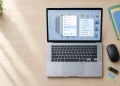
Now, roughly a decade after the debut of the Touch Bar and three years after its quiet exit, industry reports indicate that Apple is preparing to release a touchscreen MacBook Pro. Historically, the Touch Bar functioned as an internal compromise for omitting full touch capabilities, though Apple previously dismissed theories that it served as a direct precursor to a touchscreen Mac. With the upcoming hardware launch, the technical anticipation surrounding touch interfaces on macOS returns to the forefront of the industry.
Challenges for the Future of Touch in macOS
Questions remain regarding whether the anticipated **touchscreen MacBook Pro** will mirror the trajectory of its predecessor by starting strong before becoming functionally superfluous. Rumors suggest Apple will position touch input as an optional utility rather than a core requirement, likely attaching a substantial financial premium to these models. Adapting macOS Golden Gate for finger-based navigation requires sustained software engineering to avoid the stagnation that ultimately doomed the Touch Bar.