
Since the launch of the original iPhone in 2007, Apple has released dozens of versions of iOS, introducing new features, design changes, performance improvements, security updates, and more. From the early days of iPhone OS through landmark releases such as iOS 7, iOS 14, and the current iOS versions, each iteration has transformed how users interact with the iPhone. Whether the objective is identifying the installed operating system, verifying compatibility prior to an upgrade, or determining active support status, tracking every version of iPhone OS and iOS in chronological order reveals the evolution of Apple’s mobile platform.
What is the latest version of iOS?
The current version of the iPhone operating system is iOS 27, specifically iOS 27.2, which was released on October 26. Apple also continues to issue security updates for iOS 26 and iOS 18. Specifically, iOS 26.7.2 and iOS 18.7.11 rolled out on October 26 to maintain older device security.
iOS version history: Every iOS and the features it brought
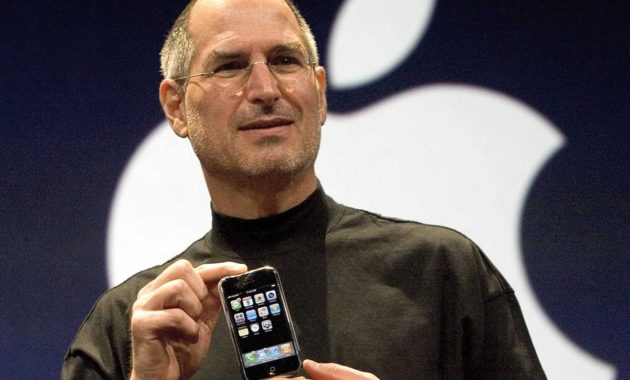
iPhone OS made its debut in 2007 alongside the first iPhone. When Steve Jobs introduced the device, it operated on OS X, the software powering the Mac, before adopting the iPhone OS moniker and eventually shortening to iOS in 2010. iPhone OS 2 followed in 2008 by establishing third-party applications through the App Store. iPhone OS 3 arrived in 2009 with support for up to 11 Home Screen pages, MMS messaging, video recording, and the Voice Memos application.
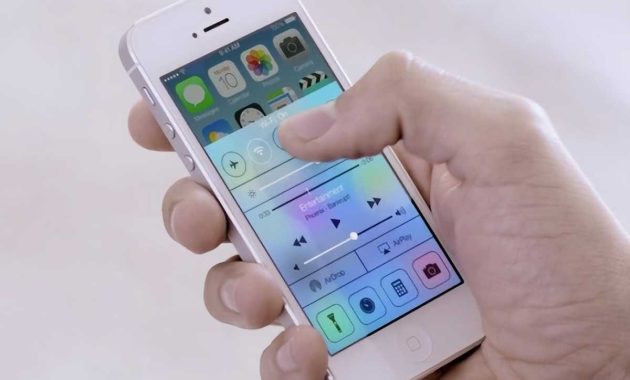
Apple officially rebranded the software to iOS with iOS 4 in 2010, adding app folders, FaceTime, iBooks, and Game Centre while expanding the operating system to the iPad. iOS 5 debuted in 2011 with the iPhone 4S, integrating Siri, Notification Centre, and iCloud synchronization for PC-free setup. iOS 6 introduced Apple Maps, Podcasts, and Passbook, marking the final release utilizing skeuomorphic design. iOS 7 brought a major visual redesign featuring flatter icons, AirDrop, and CarPlay.
iOS 8 established Continuity features to hand off tasks between Apple devices, alongside Family Sharing. iOS 9 enhanced Notes, introduced Apple News, and added Night Shift to reduce blue light exposure. iOS 10 updated Messages and Photos, brought HomeKit controls via a dedicated Home app, and enabled Universal Clipboard. iOS 11 incorporated touch and gesture interfaces for the Home-button-free iPhone X, accompanied by the Files app and a redesigned Control Centre. iOS 12 delivered Screen Time, Memoji, Group FaceTime, and Siri Shortcuts.
iOS 13 separated iPad software into iPadOS while introducing Dark Mode, privacy features, Sign in with Apple, and a swipe-to-type keyboard. iOS 14 introduced Back Tap, Home Screen widgets, the App Library, and integrated Shazam music recognition. iOS 15 added Focus Mode, Live Text, Visual Look Up, and browser updates. iOS 16 overhauled the Lock screen with widget support and introduced Rapid Security Responses. iOS 17 provided NameDrop, Stolen Device Protection, and Live Voicemail. iOS 18 laid the groundwork for future AI capabilities alongside a redesigned Photos app and a Passwords application.
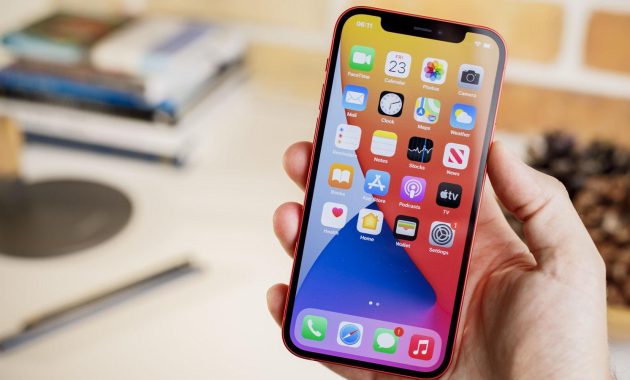
iOS 26 aligned operating system versioning with the release year, incorporating a Liquid Glass visual design language, Call Screening, Hold Assist, and Live Translations. iOS 27 launched in September 2026 with a major overhaul of Siri, deeper Apple Intelligence integration, refined camera tools, and enhanced parental controls.
List of iOS versions and latest versions
| OS version | Release date | Latest version | Latest update date |
|---|---|---|---|
| iPhone OS 1 | June 29, 2007 | iOS 1.1.5 | July 15, 2008 |
| iPhone OS 2 | July 11, 2008 | iOS 2.2.1 | January 27, 2009 |
| iPhone OS 3 | June 17, 2009 | iOS 3.2.2 | August 11, 2010 |
| iOS 4 | June 22, 2010 | iOS 4.3.5 | July 25, 2011 |
| iOS 5 | October 12, 2011 | iOS 5.1.1 | May 7, 2012 |
| iOS 6 | September 19, 2012 | iOS 6.1.6 | February 21, 2014 |
| iOS 7 | September 18, 2013 | iOS 7.1.2 | June 30, 2014 |
| iOS 8 | September 17, 2014 | iOS 8.4.1 | August 13, 2015 |
| iOS 9 | September 16, 2015 | iOS 9.3.6 | July 22, 2019 |
| iOS 10 | September 13, 2016 | iOS 10.3.4 | July 22, 2019 |
| iOS 11 | September 19, 2017 | iOS 11.4.1 | July 9, 2018 |
| iOS 12 | September 17, 2018 | iOS 12.5.8 | January 26, 2026 |
| iOS 13 | September 19, 2019 | iOS 13.7 | September 1, 2020 |
| iOS 14 | September 17, 2020 | iOS 14.8.1 | October 26, 2021 |
| iOS 15 | September 20, 2021 | iOS 15.8.8 | May 11, 2026 |
| iOS 16 | September 12, 2022 | iOS 16.7.16 | May 11, 2026 |
| iOS 17 | September 18, 2023 | iOS 17.7.2 | November 19, 2024 |
| iOS 18 | September 16, 2024 | iOS 18.7.11 | October 26, 2026 |
| iOS 26 | September 15, 2025 | iOS 26.7.2 | October 26, 2026 |
| iOS 27 | September 14, 2026 | iOS 27.2 | October 26, 2026 |
Which iOS versions are supported by Apple?
iOS 27 functions as Apple’s active operating system, receiving primary feature development and running on the iPhone 11 and newer alongside the second-generation iPhone SE and later. Devices compatible with iOS 26 also support iOS 27, though Apple maintains iOS 26 with concurrent security patches. Apple additionally delivers targeted security updates for legacy iOS versions running on older hardware.
Which iOS versions get security updates only?
Apple continues issuing security fixes for legacy devices that cannot support modern operating system upgrades. For instance, Apple published iOS 18.7.10 to protect models such as the iPhone XS, XS Max, and XR. Critical security patches, including CoreGraphics vulnerability fixes, are deployed to older hardware to mitigate targeted exploits. Extended support reaches older models like the iPhone 6s, 7, 8, and X through periodic maintenance releases. Occasional emergency patches, such as the January 2026 update for iOS 12, preserve foundational services like iMessage and FaceTime on vintage hardware.
Which iPhones support which iOS versions?
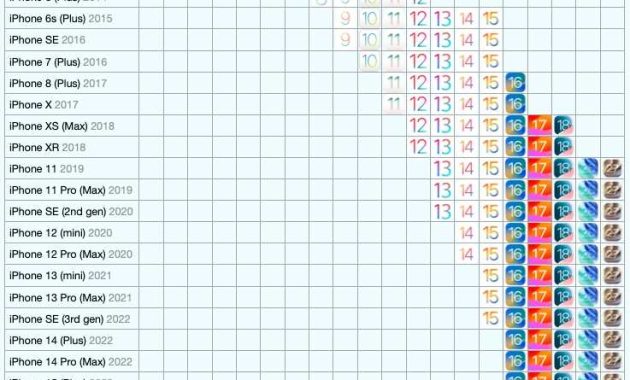
Device compatibility spans a wide range of hardware generations, allowing numerous older iPhones to operate secure versions of iOS. Understanding historical firmware updates ensures users can identify the maximum supported iOS versions for specific iPhone models.