
Can You Run Regular Ethernet Cables Outside?
Standard Ethernet cables feature a flexible polyvinyl chloride jacket that breaks down when exposed to sunlight over extended periods. Because cable category terms like Cat5e and Cat6 sound industrial, people often assume these wires handle outdoor conditions easily. While standard indoor cables technically function outside, ultraviolet radiation cracks the outer plastic and exposes the internal copper wiring. This degradation ruins the network connection and leaves the copper vulnerable to moisture and lightning strikes.
Using outdoor-rated wiring prevents these premature failures by employing durable polyethylene jackets such as LLDPE or PE. These specialized materials resist ultraviolet rays, rain, and extreme temperature fluctuations far better than standard indoor PVC. For runs across open yards, direct-burial Ethernet cable is necessary to withstand permanent contact with soil moisture and ground pressure. Many direct-burial options include water-blocking gel, powder, or tape beneath the jacket to keep the copper dry even if the outer layer sustains minor damage.
How to Verify Outdoor Cable Ratings
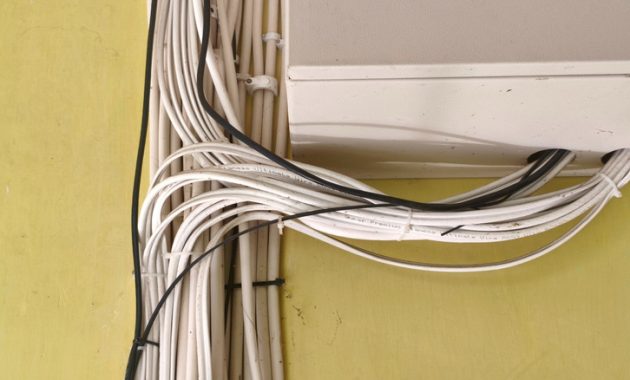
Checking the printed text on the cable jacket is the most reliable way to confirm outdoor suitability, as category labels and colors provide no guidance regarding weather resistance. Look for explicit markings such as sunlight-resistant, UV-resistant, OSP, CMX, or simply outdoor. Manufacturers also print the specific jacket material, such as PE, HDPE, or LLDPE, directly on the line. The National Electrical Code mandates that communications cables carry clear markings, and UL guidelines specify that evaluated outdoor wires display explicit outdoor use text.
Installation Best Practices for Exterior Cabling
Surge protection installed on both ends of the run safeguards connected equipment against electrical spikes picked up by exterior copper wires. Alternatively, deploying outdoor-rated fiber optic cables eliminates copper-related electrical hazards entirely, though exposed terminal equipment still requires protection. Local ordinances often regulate underground utility runs, making it essential to verify rules regarding conduit requirements, burial depths, and permitted cable types before digging. Securing exterior runs with cable clips prevents wind abrasion, and technicians should avoid sharp bends to maintain signal integrity.
Direct-burial Ethernet cable works best for underground deployments, whereas standard outdoor-rated Cat6 lines suit short exterior jumps to access points. However, exterior-rated lines typically fail indoor fire safety codes and should not run more than fifty feet inside structures without terminating into an indoor-rated cable. Reading manufacturer documentation and checking municipal codes ensures safe, permanent installations for any outdoor network project.