
Understanding the FCC Ban on Minions Routers
The viral Minions-shaped routers developed by South Korean networking company Davolink face strict regulatory hurdles in the United States. Kevin, the taller of the two models, gained massive attention on social media after an X post highlighted its capabilities as a high-performing Wi-Fi 6E device. This sudden visibility quickly cleared out Amazon stock priced at $62.99 by the following day. Unfortunately for enthusiasts hoping to acquire a Minions routers FCC ban target, the Federal Communications Commission regulates these foreign-made consumer devices under newly implemented national security guidelines.
Regulatory Impact on Davolink and Future Models
Since March, the regulatory agency has prohibited new foreign-manufactured network routers from receiving authorization for US retail without a specific exemption. While major brands like ASUS, Eero, and Netgear secured conditional approvals, Davolink lacks this designation. Consequently, although existing units remain legal to sell and import, future hardware iterations like a Wi-Fi 7 Minion will not debut stateside. Furthermore, regulatory restrictions limit software maintenance, guaranteeing firmware support only through the end of 2028 unless policy adjustments occur.
Hardware Specifications of Kevin and Bob
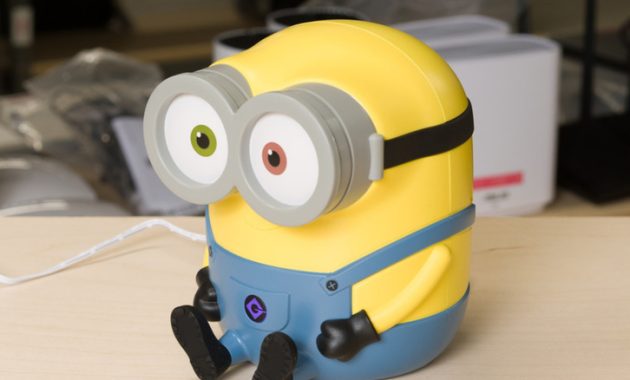
Davolink initially unveiled these devices at CES in January 2023 under an exclusive design agreement with Universal, launching them in South Korea that summer. The larger model, Kevin (DVW-632), stands at 9.6 inches and operates as a tri-band Wi-Fi 6E system featuring a 2.5 Gbps WAN port, a single gigabit LAN port, WPA3 security, and mesh networking support. Its AXE5400 rating allocates 573 Mbps to the 2.4 GHz band and 2.4 Gbps to both the 5 GHz and 6 GHz bands. Meanwhile, Bob (DVW-642) is a more compact, dual-band Wi-Fi 6 router featuring a gigabit WAN port and a maximum rating of 1.77 Gbps. Davolink primarily operates as a gateway and access point supplier for major South Korean telecommunications providers including SK Broadband, KT, and LG Uplus, with a minimal vulnerability history limited to a 2018 password flaw resolved via firmware.
Performance Comparisons and Technical Limitations
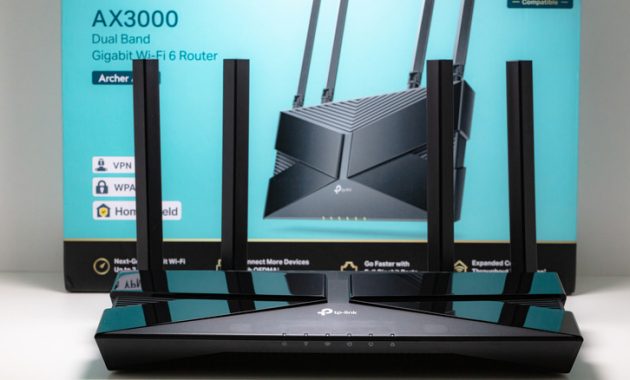
Kevin’s AXE5400 rating places it in direct competition with traditional networking hardware like TP-Link’s Archer AXE75. Independent testing by RTINGS indicates that the Minion-themed device outperforms the Archer in both raw speed and wireless range. However, physical constraints remain notable because Kevin includes only one gigabit LAN port compared to the four found on the Archer, requiring users to integrate a network switch for multiple wired connections. While newer Wi-Fi 7 standards introduce 320 MHz channels and multi-band aggregation, the regulatory environment prevents Davolink from bringing these advanced specifications to American consumers under the current Minions routers FCC ban.
The Scope of the FCC Covered List and Exemption Rules
The regulatory exclusion stems from an interagency national security determination delivered by a White House-convened body on March 20, leading the FCC to add foreign-produced routers to its Covered List three days later. Legal interpretations indicate that production encompasses major development phases, including design and engineering, regardless of corporate nationality. Equipment authorized before the March inclusion enjoys grandfathering provisions that permit importation, sales, and operation. However, the listing explicitly prohibits software updates for authorized devices unless covered by a specific waiver. This administrative waiver permits critical security patches and compatibility fixes until at least January 1, 2029, after which Davolink must cease patching Kevin and Bob if the date remains unchanged.
Conditional Approvals and Manufacturer Requirements
Exemptions, officially designated as Conditional Approvals, require authorization from the Department of Defense or the Department of Homeland Security for durations up to 18 months. Applicants must transparently disclose component origins and firmware sources, provide operational justifications for overseas manufacturing, and commit to a structured timeline for domestic US production accompanied by spending metrics and progress reports. Companies like Netgear, Eero, and ASUS successfully secured these approvals between April and September. Meanwhile, Davolink, which has reported operating losses since 2022, has not publicly disclosed any formal application regarding the Minions routers FCC ban exemptions.