
Ahead of its anticipated “Pro and Tell” event, Apple has launched several new hardware and software products. Following autumn reveals for the iPhone Duo, iPhone 18 Pro models, and various smart home devices, the company rolled out an expanded lineup of computing hardware.
The Long-Awaited OLED iPad mini
Apple has introduced the eighth-generation OLED iPad mini, marking a significant display upgrade for the compact tablet. The new display achieves a peak brightness of 1,200 nits—double that of its predecessor—alongside a 2,000,000:1 contrast ratio. Base storage remains at 128GB, while buyers choosing 256GB or 512GB variants can select a nano-texture glass display option.
Engineers increased the screen size to 8.5 inches while slightly reducing the overall physical footprint of the device. The Wi-Fi model weighs 0.56 pounds, and the 5G variant weighs 0.58 pounds while incorporating Apple’s C2 modem for faster data transmission. Connectivity upgrades include Wi-Fi 7, Bluetooth 6, and Thread support powered by the new N1 chip.
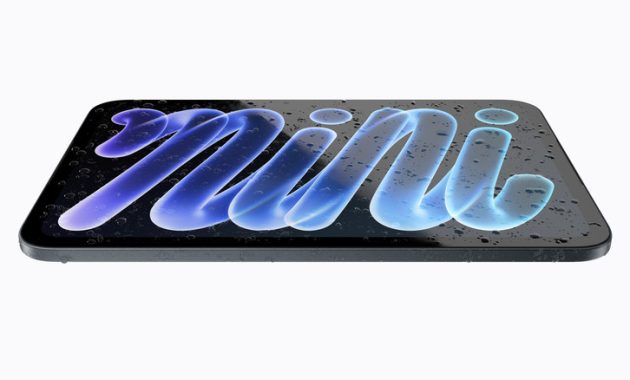
This OLED iPad mini runs on the A20 Pro chipset, which features a 7-core GPU and supports local execution of large language models. The front-facing 12MP Center Stage camera now sits along the landscape edge, though Face ID remains absent. For durability, the tablet features an IP67 dust and water resistance rating.
Battery performance remains rated for up to 10 hours of video playback or web surfing over Wi-Fi, dropping to nine hours on cellular networks. A 35W power adapter can recharge the battery to 50 percent capacity within 30 minutes. Additionally, the device introduces Apple’s first Acoustic Display, utilizing woofers paired through the display and hidden tweeters for improved audio output.
Pricing for the new OLED iPad mini starts at $699. Pre-orders begin on October 28, with official store availability scheduled for November 6.

M6-Powered iMac and 14-inch MacBook Pro
Apple has updated its desktop and laptop hardware with the new M6 chipset, which recently debuted in the Mac mini. The new iMac utilizes a dual 16-core neural engine to deliver up to five times faster on-device AI performance compared to the 2024 model. The M6 architecture features 10 CPU cores in its base configuration, with an optional 12-core variant that includes four Thunderbolt 4 ports.
The updated iMac integrates the N1 networking chip, enabling Wi-Fi 7, Bluetooth 6, and Thread connectivity, alongside an optional 2.5Gb Ethernet port. Physical dimensions and color options remain identical to the previous generation, anchored by a 24-inch 4.5K Super Retina display. The base model retains its starting price of $1,499, with pre-orders opening on October 28 and retail availability on November 6.
The 14-inch MacBook Pro receives the 12-core M6 chipset and N1 networking support. Apple reports a 30 percent increase in graphics performance and a 25 percent boost in AI workloads compared to the M5 predecessor. The starting price holds steady at $1,999 for a configuration featuring 16GB of RAM and 1TB of storage.
Software and Operating System Updates
Apple released updated operating system versions across its ecosystem, expanding Siri AI capabilities and introducing support for additional languages. Apple Creator Studio received enhanced AI features and creative tools, including workflow updates for Final Cut Pro, Logic Pro, Keynote, Pages, and Numbers. These software improvements aim to streamline productivity and creative tasks across compatible devices.