
Why You Should Avoid Buying an 8GB Laptop Amid Rising RAM Prices
Buying a laptop in the current market might initially look familiar until you notice how much prices have shifted. Surging component costs have forced manufacturers to reintroduce entry-level configurations, making avoiding 8GB laptops a priority for anyone seeking a machine that will last. While manufacturers market these base models to preserve popular retail price points, hardware constraints make them poor long-term investments.
The Current Laptop Market and Surging RAM Costs
Market analysts at TrendForce estimate that components like CPUs, memory, and storage now constitute 68 percent of a mainstream laptop’s bill of materials. Normally, memory and storage account for roughly 15 percent of production costs, but market pressures have drastically altered these economics. High demand from AI data centers has redirected supply away from consumer markets, leading suppliers such as Micron to wind down consumer brands like Crucial.
Memory suppliers have driven up prices substantially, prompting manufacturers to slide in lower-spec models to hold onto familiar price points. Samsung reported massive operating profits driven primarily by memory sales while other segments struggled. Analysts expect component prices to climb further before peaking, leaving manufacturers to juggle margins, specifications, and retail prices.
Why 8GB of RAM Falls Short Today
Although 4GB remains the bare minimum required to run Windows 11, testing reveals that an 8GB laptop struggles under modern workloads. Invisible background processes consume roughly 80 percent of memory immediately after boot, leaving very little headroom for active applications. Launching a web browser with multiple tabs pushes usage to 95 percent, resulting in minor hiccups during scrolling and window switching.
Technical architecture further limits these entry-level systems, as budget processors often rely on a single memory channel shared with integrated graphics. Performance benchmarks demonstrate tangible drawbacks, whereas mid-range configurations with 16GB of RAM score significantly higher and offer extended battery life. Industry standards have also shifted, with Microsoft’s Copilot+ program and Apple both establishing 16GB as the baseline for new devices.
Navigating Upgrades and Alternatives
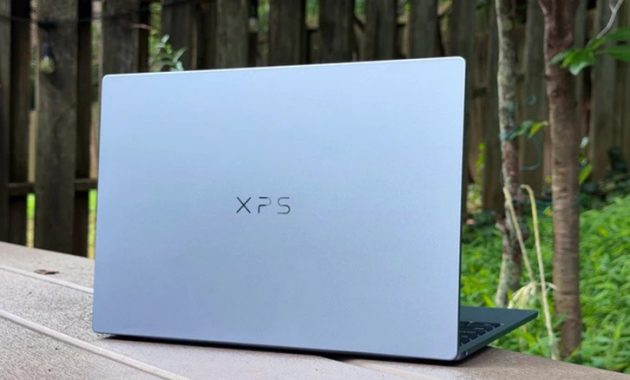
Upgrading memory at purchase often comes at a steep manufacturer markup, such as Dell charging $200 to move from 8GB to 16GB on the XPS 13. However, opting for the higher capacity prevents performance bottlenecks since users cannot upgrade soldered laptop memory later. Apple’s entry-level constraints mean buyers must jump to higher-priced tiers to secure 16GB of RAM.
Consumers looking to bypass these price hikes can explore alternative strategies, such as purchasing laptops with memory slots that allow DIY upgrades later. Buyers can also seek out remaining stock of previous-generation 16GB models while supplies last. Ultimately, avoiding 8GB laptops helps ensure your computer remains functional and responsive as software demands continue to grow.