
Apple’s MacBook lineup has undergone significant transformation throughout 2026, shifting from a simple two-tier selection to a diverse collection of laptops. The year began with the MacBook Air serving general consumers and the standard MacBook Pro addressing professional needs. However, this traditional approach left major gaps at the budget-friendly sub-$1,000 level and the ultra-luxury market tier.
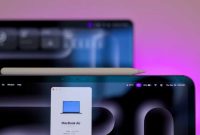
Apple addressed the budget segment in March by releasing the MacBook Neo at an initial price of $599, which later adjusted to $699. On the opposite end of the spectrum, the company introduced the MacBook Pro with PROLED XDR. Designed for high-end professional users, the 14-inch model starts at $2,899, while a fully configured 16-inch version reaches up to $14,549.
What the Ultra-Luxury MacBook Pro Delivers
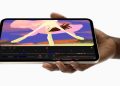
While top-of-the-line MacBook Pro configurations previously cost $7,199 at the start of 2026, the new ultra-luxury tier nearly doubles that maximum investment. Buyers receive an OLED touchscreen display, an upgraded sound system, and a redesigned chassis that is approximately one pound lighter than its predecessor. Additionally, the device features a glowing Apple logo, marking its return for the first time in a decade.
Breaking Steve Jobs’ Product Grid
Steve Jobs introduced the famous product grid at the 1998 Macworld Expo to simplify a complicated Mac inventory into two distinct product lines for consumers and professionals. This strategy kept stock-keeping units manageable and helped customers navigate purchasing decisions easily. Despite its historical success, Apple’s Mac market share remained relatively flat in recent years, as quarterly sales spikes faced immediate downturns.
To stimulate growth and capture users lingering on the edges of the PC laptop market, Apple deliberately moved away from the restrictive grid framework. By offering products like the MacBook Neo and the MacBook Pro with PROLED, the company now targets every distinct demographic. The modern lineup features clear feature separation across the MacBook Neo, MacBook Air, MacBook Pro, and MacBook Pro with PROLED XDR Display, positioning Apple to capture diverse market segments effectively.