• About
  • Contact
  • Disclaimer
  • Sitemap
  • Privacy Policy
  • Terms Of Service
Information Technology for You
  • Home
  • Guides
  • ChromeOS
  • MacOS
  • Windows
  • Utilities
  • Reviews
  • Tech Basics
    • Hardware
    • Software
    • Operating System
    • Networking
No Result
View All Result
  • Home
  • Guides
  • ChromeOS
  • MacOS
  • Windows
  • Utilities
  • Reviews
  • Tech Basics
    • Hardware
    • Software
    • Operating System
    • Networking
No Result
View All Result
Intechfy
No Result
View All Result

Microsoft Removes Windows 11 PC-to-PC Migration: What to Do Now

Ethan Carter by Ethan Carter
November 4, 2026
Home Windows
Share on FacebookShare on Twitter

If you recently attempted to set up a new computer and found that the option to move files directly from another machine has vanished, you are not alone. Microsoft has officially confirmed that the Windows 11 PC-to-PC Migration removed feature was an intentional change, steering users toward cloud-based alternatives instead of local transfers.

Table of Contents

Toggle
  • The Disappearance of Windows 11 PC-to-PC Migration
  • How the New ‘Windows Backup’ Works
  • The 5GB Catch: Why Cloud Migration Might Fail You
  • Old vs. New: Comparing Migration Methods
  • Manual Alternatives: Moving Files Without OneDrive
    • Using External Storage (The ‘Sneakernet’ Method)
    • Setting Up a Local Network Share
  • Verdict: Should You Roll Back the Update?

The Disappearance of Windows 11 PC-to-PC Migration

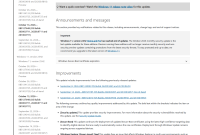
The removal of the built-in PC-to-PC Migration tool was first spotted in an optional preview update in September 2026, identified as KB5124010. According to reporting from Windows Latest, the change reached the broader public with the October 13, 2026, Patch Tuesday update, KB5127648. Microsoft has since updated its support documentation to reflect this, stating plainly that the tool is no longer available and recommending the use of Windows Backup and Restore instead.

The removed tool was designed to allow users to move files and settings directly between two computers over a local Wi-Fi or Ethernet connection. This method was particularly valued because it kept data within the local network, avoiding the need to upload large volumes of personal files to the cloud. While Microsoft’s official release notes did not highlight this as a primary change, the company’s support pages now redirect all migration queries to its new cloud-centric workflow.

How the New ‘Windows Backup’ Works

With the local migration tool gone, Microsoft now pushes users toward the Windows Backup app. This tool operates differently than its predecessor in several key ways:

  • Account Requirement: Unlike the reported local-only nature of the old tool, Windows Backup requires a personal Microsoft account to function.
  • OneDrive Integration: The tool uploads supported folders—specifically Desktop, Documents, Pictures, Videos, and Music—directly to OneDrive. When you sign in to a new PC with the same credentials, these files are downloaded automatically.
  • Limited Restoration: Microsoft specifies that only “some” settings and apps may be restored. This is a narrower scope than a comprehensive migration; while Microsoft Store apps generally reappear, users should expect to manually reinstall third-party software using original installers.

It is important to note that Windows Backup is not a full clone of your old system. It is a synchronization service designed to make a new setup feel familiar, rather than a bit-for-bit transfer of your entire environment.

The 5GB Catch: Why Cloud Migration Might Fail You

The most significant hurdle for many users is the storage limit. Free OneDrive accounts typically include only 5GB of storage. This allowance is shared across all Microsoft services tied to that account. For a modern user, a single year of high-resolution phone photos or a few work archives can easily exceed this 5GB ceiling.

If your data exceeds the free limit, the migration process essentially stalls unless you choose one of three paths: paying for a OneDrive storage subscription, deleting files to fit the limit, or abandoning the automated tool in favor of a manual transfer. Because Microsoft has not publicly explained the reasoning behind removing the local tool, many tech analysts view this as a move to increase adoption of OneDrive paid tiers.

Old vs. New: Comparing Migration Methods

The following table illustrates the differences between the retired migration tool and the current options available to Windows 11 users:

Feature PC-to-PC Migration (Removed) Windows Backup (Current) Manual Transfer (External Drive)
Data Path Local (Wi-Fi/LAN) Cloud (OneDrive) Physical (USB/SSD)
MS Account Not required (Reported) Mandatory Not required
Storage Limit Limited by PC Disk Space 5GB Free (Shared) Limited by Drive Size
Ease of Use Guided Wizard Guided Wizard Manual Copy/Paste

Manual Alternatives: Moving Files Without OneDrive

For users with large libraries or those who prefer to keep their data off the cloud, manual methods remain the most reliable workaround. Before starting, you should right-click your Desktop, Documents, Pictures, Videos, and Music folders in File Explorer and select Properties to check their total size. This will help you determine which method is best.

Using External Storage (The ‘Sneakernet’ Method)

If you have more than 5GB of data, using an external SSD or a large USB flash drive is the most efficient path. Simply copy your user folders to the external drive, then plug it into the new PC and move the files into the corresponding directories. A one-time purchase of a 1TB or 2TB portable SSD is often more cost-effective over time than a recurring cloud storage subscription.

Setting Up a Local Network Share

If both computers are on the same home network, you can set up a network share to transfer files directly. For the fastest speeds, connecting both machines to your router via Cat6 Ethernet cables is recommended, as this avoids the potential instability and slower speeds of Wi-Fi when moving hundreds of gigabytes.

Verdict: Should You Roll Back the Update?

While it may be tempting to uninstall updates KB5124010 or KB5127648 to regain the migration tool, this is not a recommended course of action. These updates are cumulative and include essential security patches. Trading system security for a temporary transfer wizard is a poor compromise, especially since Microsoft does not provide a documented or supported path to restore the feature once it has been removed.

The best approach is to keep your system updated and adapt to the change. If your data is minimal and you already use a Microsoft account, Windows Backup is a convenient way to carry over Wi-Fi passwords and personalization settings. However, for anything beyond basic documents, manual migration remains the gold standard. While the Windows 11 PC-to-PC Migration removed update adds a layer of complexity to new PC setups, understanding your data size and having an external drive ready will ensure a smooth transition without relying on the cloud.
Views: 2

Share this:

Related posts:

  • How to See Signed-In Devices on Your Google Account (and Sign Them Out)

  • Windows 11 Time Wrong or Auto-Sync Failing? How to Fix It

  • How to Fix Smart App Control Grayed Out in Windows 11

Ethan Carter

Ethan Carter

Ethan Carter is a tech writer focused on Windows optimization, lightweight software, and practical PC troubleshooting. He enjoys testing utilities, improving low-end PC performance, and sharing simple tech solutions that help everyday users get more from their devices.

Leave a Reply Cancel reply

Your email address will not be published. Required fields are marked *

Recommended.

How to Improve Audio Quality on Your Android Phone

How to Improve Audio Quality on Your Android Phone

October 31, 2026
How to Troubleshoot and Fix Word Mail Merge Errors

How to Troubleshoot and Fix Word Mail Merge Errors

October 28, 2026

Trending.

Microsoft PC Manager Review: Surprisingly Useful, But Not the PC Booster You Expect

Microsoft PC Manager Review: Surprisingly Useful, But Not the PC Booster You Expect

June 16, 2026
Is CCleaner Worth It in 2026? Honest Review After Testing It on Modern Windows PCs

Is CCleaner Worth It in 2026? Honest Review After Testing It on Modern Windows PCs

June 17, 2026
7 Best Free Antivirus for Windows 11 Ranked by Performance and Security

7 Best Free Antivirus for Windows 11 Ranked by Performance and Security

June 19, 2026
How to Update Your BIOS (UEFI)

How to Update Your BIOS (UEFI): When You Should, When You Shouldn’t, and How to Do It Safely

October 25, 2026
20 Operating System Examples Categorized by Device and Purpose

20 Operating System Examples Categorized by Device and Purpose

June 27, 2026
12 Best PC Boosters for Gaming, Low-End PCs, and Everyday Performance

12 Best PC Boosters for Gaming, Low-End PCs, and Everyday Performance

June 17, 2026
iPad mini (A20 Pro): Release Date, OLED, Price, and Specifications

iPad mini (A20 Pro): Release Date, OLED, Price, and Specifications

October 29, 2026
What to Expect at Apple’s October 28 Pro and Tell Event

What to Expect at Apple’s October 28 Pro and Tell Event

October 25, 2026
Best Free Screen Recorders for Windows We Tested No Watermarks, No Time Limits

9 Best Free Screen Recorders for Windows We Tested in 2026 (No Watermarks, No Time Limits)

June 23, 2026
What Is Programming Software? Types, Functions, and Best Tools for Beginners

What Is Programming Software? Types, Functions, and Best Tools for Beginners

June 14, 2026
Best PC Cleaner for Windows 11: 7 Safe Tools to Clean Junk Files and Free Up Storage

Best PC Cleaner for Windows 11: 7 Safe Tools to Clean Junk Files and Free Up Storage

June 17, 2026
What Is Utility Software? Functions, 5 Types, Benefits, and Real-World Examples

What Is Utility Software? Functions, 5 Types, Benefits, and Real-World Examples

June 16, 2026
Internal Hardware of a Computer: Definition, Components, and How Internal Computer Hardware Works

Internal Hardware of a Computer: Definition, Components, and How Internal Computer Hardware Works

March 9, 2026
Windows 11 version 26H2 Now Broadly Available for Eligible Devices

Windows 11 version 26H2 Now Broadly Available for Eligible Devices

October 26, 2026
macOS 27 Golden Gate: What’s New, Compatible Macs, and Features

macOS 27 Golden Gate: What’s New, Compatible Macs, and Features

October 29, 2026
New Apple Products Coming in 2026 and 2027: What’s Next for Mac, iPhone, and iPad

New Apple Products Coming in 2026 and 2027: What’s Next for Mac, iPhone, and iPad

October 29, 2026
How Good Is Microsoft Defender Antivirus? Is It Really Enough for Windows 11?

How Good Is Microsoft Defender Antivirus? Is It Really Enough for Windows 11?

May 14, 2026
PowerToys 0.102 Adds Mouse Utilities, Quick Commands, and Dictation

PowerToys 0.102 Adds Mouse Utilities, Quick Commands, and Dictation

October 27, 2026
What Is a Device Driver in a Computer? Functions, Types, How It Works, and Examples

What Is a Device Driver in a Computer? Functions, Types, How It Works, and Examples

July 2, 2026
How to Resize the Windows 11 Start Menu With New Built-In Controls

How to Resize the Windows 11 Start Menu With New Built-In Controls

October 26, 2026
iPhone Duo Guide: Price, Specifications, Availability, and Reviews

iPhone Duo Guide: Price, Specifications, Availability, and Reviews

October 26, 2026
iOS 27 Features, Compatibility, and Siri AI Overview

iOS 27 Features, Compatibility, and Siri AI Overview

October 29, 2026
Apple’s November 2026 Lineup: Hardware Shipping, OS 27.3, and New TV+ Shows

Apple’s November 2026 Lineup: Hardware Shipping, OS 27.3, and New TV+ Shows

November 3, 2026
Best CPU Temperature Monitor Tools for Gaming and Real-Time Tracking

7 Best CPU Temperature Monitor Tools for Gaming and Real-Time Tracking

May 31, 2026
What Are the Communication Devices? Definition, Key Characteristics, Types, and Real-World Examples

What Are the Communication Devices? Definition, Key Characteristics, Types, and Real-World Examples

June 19, 2026
How to Fix a USB Device That Keeps Disconnecting

How to Fix a USB Device That Keeps Disconnecting

October 26, 2026
Apple Unveils Thinner, Lighter iPad mini (A20 Pro) with OLED Screen and Major Power Boosts

Apple Unveils Thinner, Lighter iPad mini (A20 Pro) with OLED Screen and Major Power Boosts

October 29, 2026
Microsoft Tests Controller-Friendly Gaming Task View for Windows 11

Microsoft Tests Controller-Friendly Gaming Task View for Windows 11

October 26, 2026
What Is a Distributed Operating System? Architecture, How It Works, Functions, Benefits, and Examples

What Is a Distributed Operating System? Architecture, How It Works, Functions, Benefits, and Examples

June 27, 2026
What Does MLO Mean on Your Router and Should You Enable It?

What Does MLO Mean on Your Router and Should You Enable It?

October 26, 2026
Intechfy

Intechfy.com is a technology-focused information platform created to make everyday tech concepts easier to understand, more practical, and more accessible.

  • About
  • Contact
  • Disclaimer
  • Sitemap
  • Privacy Policy
  • Terms Of Service

© 2026 Intechfy.com - Information Technology for You

No Result
View All Result
  • Home
  • Guides
  • Utilities
  • Reviews
  • Tech Basics
    • Computer
    • Hardware
    • Software
    • Operating System
    • Networking

© 2026 Intechfy.com - Information Technology for You