
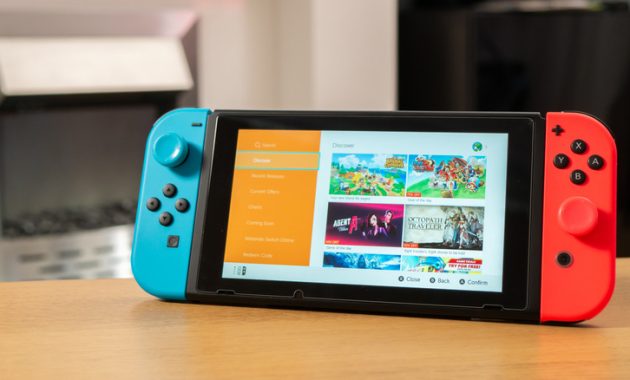
The Nintendo Switch lifespan remains a topic of considerable interest as the console approaches its tenth anniversary without an official overall end-of-life date from Nintendo. While regional hardware sales are winding down, the console is retiring in pieces rather than disappearing overnight. Nintendo has confirmed that the eShop, Nintendo Switch Online, and other digital services will continue operating for the foreseeable future. Existing owners can continue using their games, accessories, and online features even as manufacturing schedules and retail availability shift across different global markets.
Hardware Sales and European Market Cutoffs
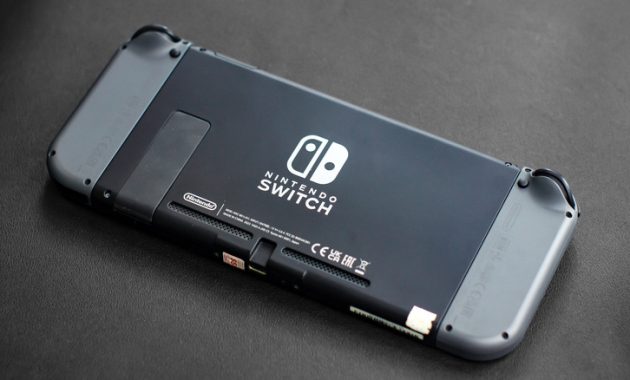
The one firm deadline established for the hardware involves European regulatory requirements for user-replaceable batteries in certain electronic devices. Because of these rules, Nintendo will stop supplying original Nintendo Switch hardware to retailers in the European region in mid-February 2027. Production of the standard Switch, Switch Lite, and Switch OLED models is scheduled to continue throughout 2026 to ensure the systems remain widely available across Europe during the year. Nintendo has not yet announced a comparable sales cutoff date for the United States or Japan.
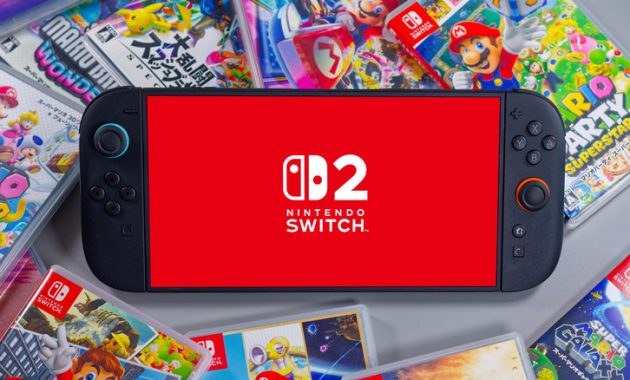
Despite the winding down of hardware distribution, the console holds the record as Nintendo’s best-selling system with 156.59 million units sold worldwide as of June 30, 2026. Strong ongoing interest was demonstrated between April and June 2026, when consumers purchased another 660,000 original systems and 33.81 million software units even after the Switch 2 had established itself in the market. Hardware phase-outs tell us surprisingly little about when full support for a platform actually concludes, as software activity often persists long after new console shipments stop.
Software Support and Backward Compatibility
New console generations typically prompt publishers to abandon older hardware immediately, but backward compatibility alters this transition pattern. The Switch 2 features wide compatibility with original console games, allowing developers to reach upgraded users without dropping legacy buyers. President Shuntaro Furukawa noted in a May financial briefing that this compatibility smoothed the system transition. For instance, the original console release Tomodachi Life: Living the Dream sold 7.94 million copies by the end of June 2026, with roughly 40 percent of those players enjoying the game on the newer platform.
Nintendo currently views its software business as encompassing titles across both generations rather than focusing exclusively on newer hardware sales. Although Nintendo is building a dedicated lineup for the newer system with titles like Star Fox and Splatoon Raiders, the original platform maintains a large install base. Following the July release of Rhythm Heaven Groove, there are no upcoming first-party Nintendo games scheduled for the original hardware, but the existing catalog continues to drive software engagement.
Historical Precedents for Digital Services
Nintendo’s historical handling of older hardware indicates that store purchases, online play, and access to previously bought software terminate on separate schedules. The Wii Shop Channel stopped selling new content in January 2019, which was nearly two years after the Switch launched and over twelve years after the Wii debuted. Over seven years later, users can still redownload previously purchased Wii content, though Nintendo notes that capability will eventually cease.
A similarly staggered pattern appeared with the Wii U and Nintendo 3DS, where new eShop purchases ended in March 2023 and most online play concluded in April 2024. Despite those milestones, users retain the ability to redownload purchased games and downloadable content while receiving software updates. While the original platform may follow a unique timeline, historical data proves that digital storefront closures do not instantly revoke access to previously acquired software.
Physical Durability and Battery Maintenance
Physical longevity depends heavily on individual usage, as Nintendo provides no official average lifespan for the console. Battery longevity is the primary component with explicit manufacturer metrics, as the battery should retain about 80 percent of its original capacity after approximately 800 charge cycles. Nintendo classifies this capacity reduction as normal wear rather than a hardware failure.
A degraded battery does not render the entire console obsolete, though replacement requires navigating internal components. Because the original hardware was not designed around a quick user-swappable battery, iFixit classifies replacement as a moderate repair taking between 45 minutes and two hours. The procedure requires opening the casing, removing an internal shield, and detaching an adhesively secured power cell. For owners whose systems meet their gaming needs, diminished battery retention simply creates a maintenance task, and playing while connected to a television remains a viable alternative.