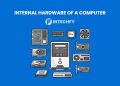

Accumulating unused computer hardware over the years is a common experience for anyone who spends time around technology. Upgrading setups frequently leaves people wondering what to do with older machines and spare components gathering dust in basements or closets.
Transforming spare hardware into a cheap home server provides a practical solution for this accumulated equipment. Families looking to establish a custom streaming hub or a free mass storage unit can treat this project as a valuable financial investment for managing technology costs.
Constructing a cheap home server is straightforward and affordable, making the process accessible without technical complications. In a landscape where technology often feels overly complex, building a media server to cut expenses offers a straightforward advantage.
Cutting Monthly Entertainment Expenses
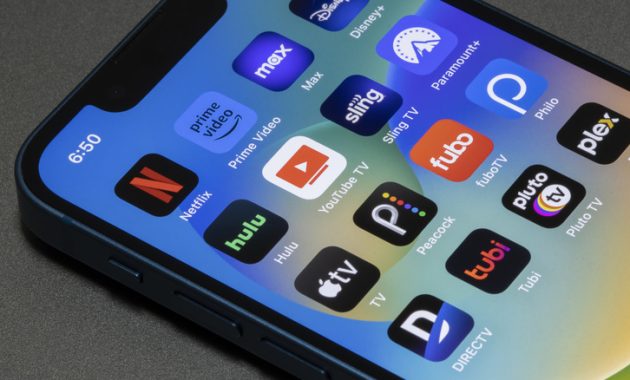
Monthly entertainment expenses typically include a growing list of paid streaming subscriptions. Major corporations frequently launch individual streaming platforms, creating an expensive market environment.
Accumulated subscription costs over a monthly billing cycle can strain personal budgets significantly. Deploying a cheap home server helps counter these rising expenses by establishing a custom media machine that streams personal collections of shows and movies.
Media server software options like Plex, Jellyfin, and various alternatives populate the device with preferred media content. Consolidating entertainment through a home server allows households to reduce active streaming subscriptions and manage monthly bills more effectively.
Managing Digital Storage and Backup Costs
Personal digital archives often contain large volumes of important documents, photos, and videos distributed across multiple devices. Maintaining cloud storage subscriptions or third-party data backup services introduces ongoing annual expenses.
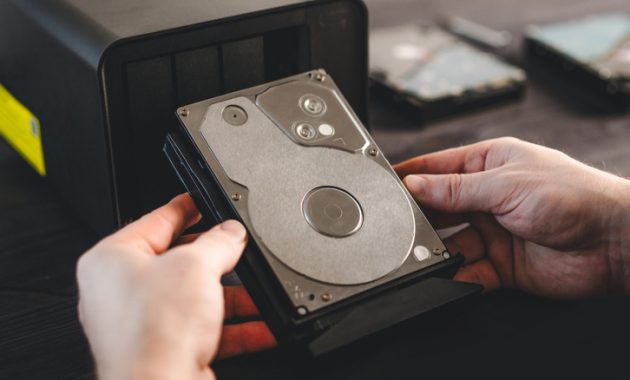
Utilizing a cheap home server eliminates reliance on paid cloud storage platforms by functioning as a dedicated mass storage device. Hardware upgradeability ensures that storage capacity expands over time simply by purchasing and installing additional hard drives.
Repurposing an aging personal computer that no longer serves as a primary daily driver transforms leftover equipment into a functional storage and entertainment appliance. This hardware transition reduces ongoing expenditures on storage solutions while building foundational technical familiarity with custom computer configurations.